Earth
Clay begins as humble material: raw, grounded, and full of potential.
Zahra Zandiyeh developed her ceramic practice through four years of training and studio work in Tehran, including workshops at the Glassware and Ceramic Museum of Iran and continued private mentorship. Her practice focused on wheel throwing and the creation of sculptural forms and decorative ceramic vessels.
Drawing on Iranian visual traditions, she incorporated Persian motifs and ornamental patterns into the surfaces of her works. Through the interplay of form, texture, and decoration, her ceramic practice explores cultural memory, craftsmanship, and the expressive possibilities of clay.
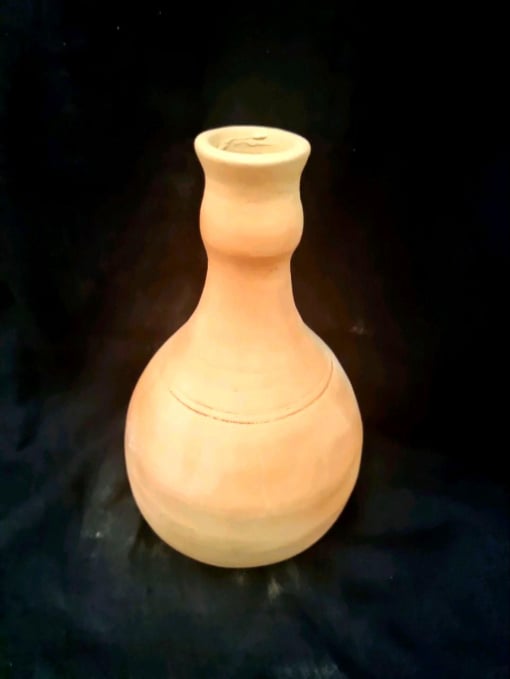
Clay begins as humble material: raw, grounded, and full of potential.
Each form carries the trace of touch, pressure, patience, and movement.
The kiln transforms surface and structure, making accident part of intention.
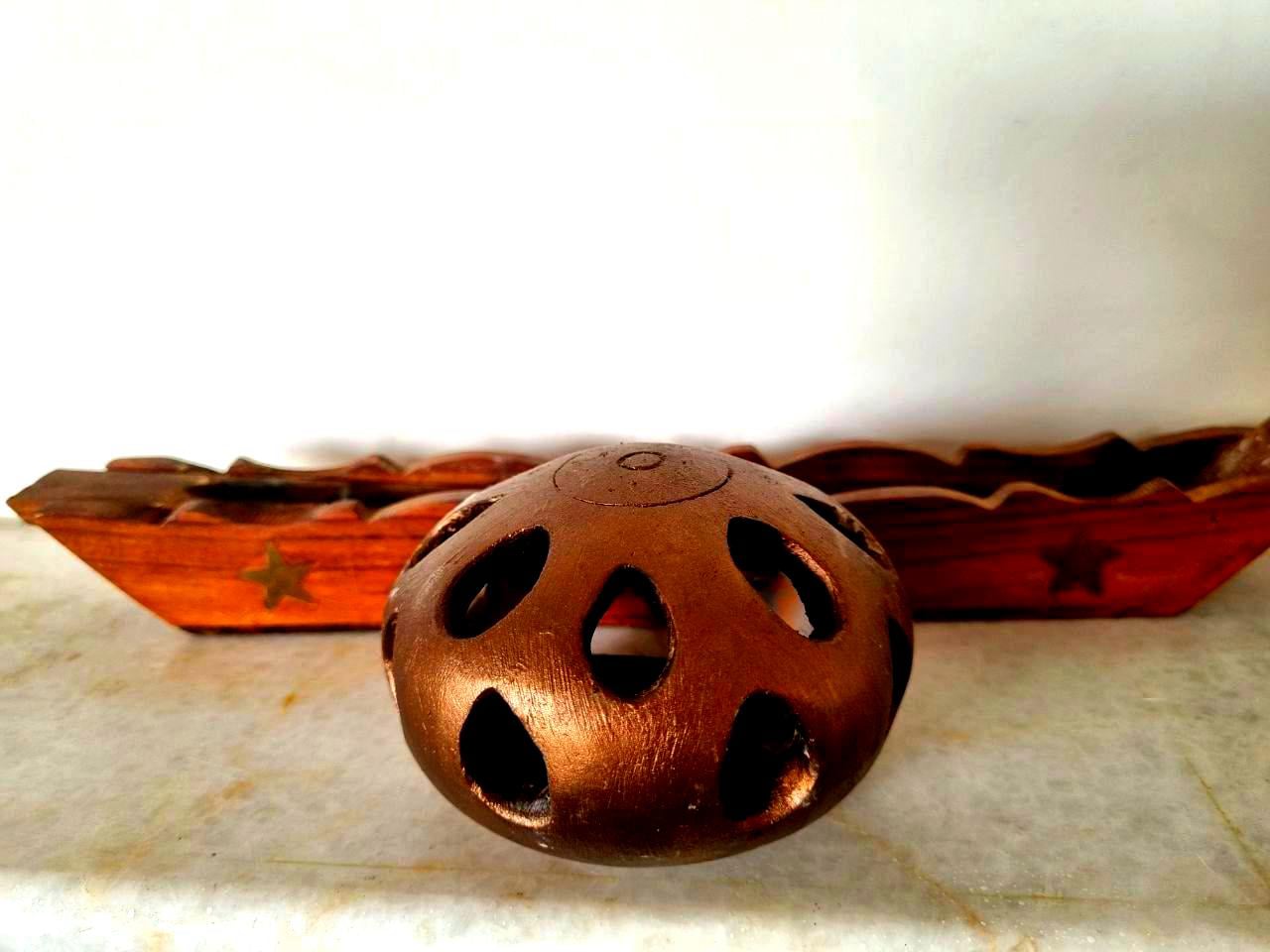
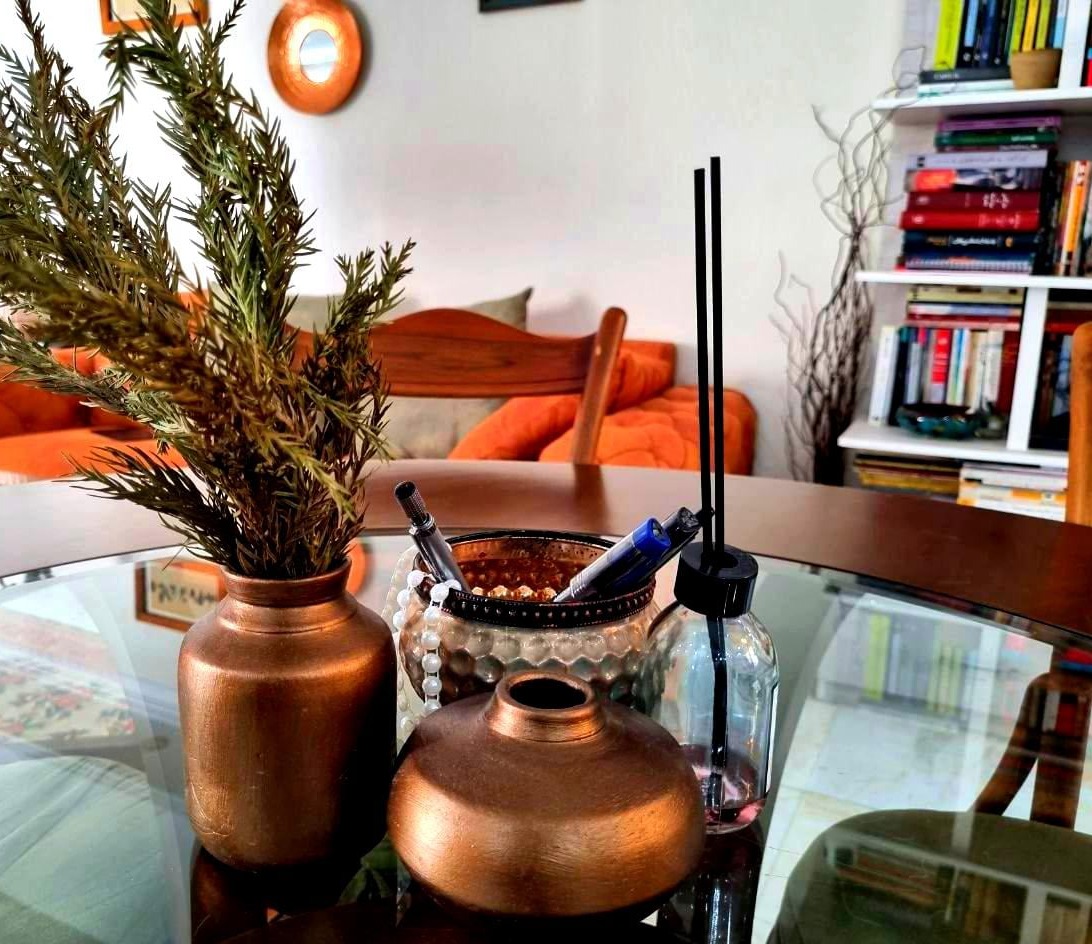
The toranj is the beating heart of the Persian carpet; a blossom blooming in the field of imagination. It often lies at the center like a sun in a woven sky, radiating symmetry and balance. Sometimes, it appears like a teardrop resting gently on the fabric, other times like a mysterious flower unfolding in the garden of dreams.
More than mere ornament, the Toranj is a symbol of harmony; a meeting point between edge and center, earth and heavens, beginning and end.